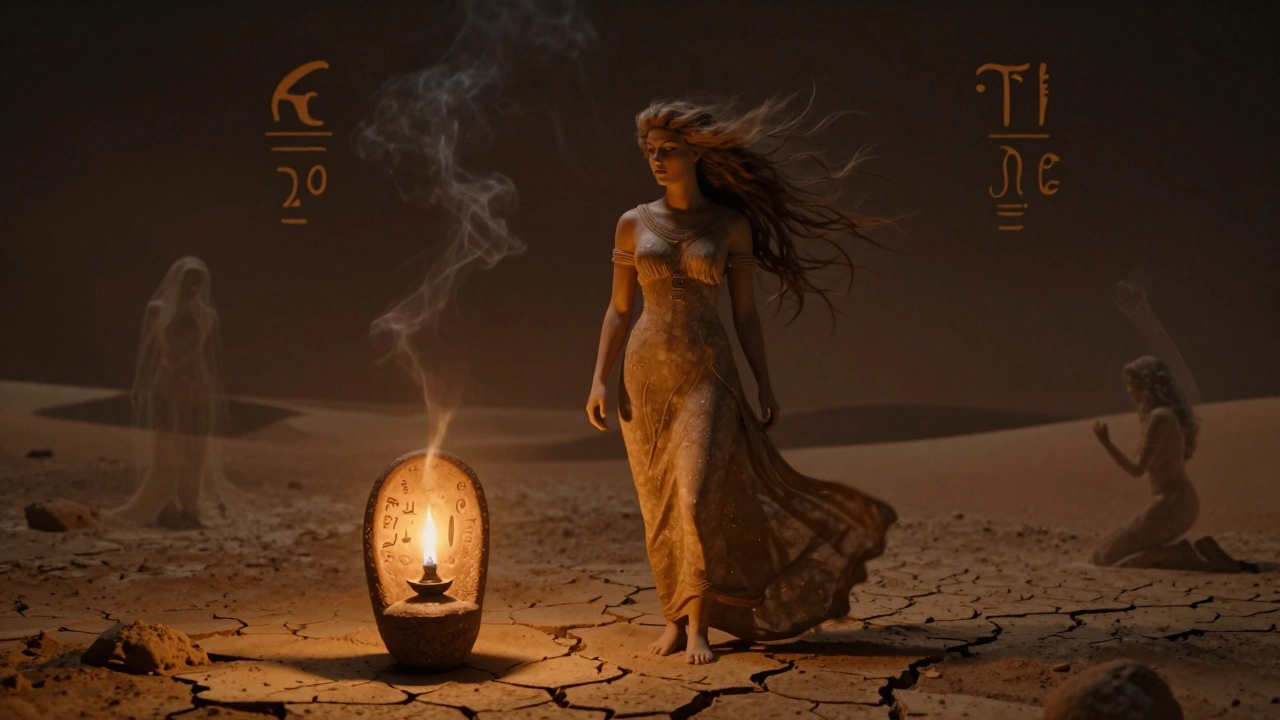
Long before modern dating apps and luxury escort services like best london escort agency, myths were the internet of ancient societies-spreading stories that shaped how people saw power, gender, and desire. One of the oldest and most unsettling figures in this landscape is Lilith. She wasn’t just a woman from a forgotten tale. She was a rebellion wrapped in skin, a symbol of autonomy that terrified patriarchs into rewriting her story into something darker, something dangerous.
Lilith shows up in Mesopotamian clay tablets over 4,000 years old, long before the Bible was written. She wasn’t Adam’s wife by accident. She was his equal, created from the same earth, breathing the same air. But when Adam demanded obedience, she refused. She wouldn’t lie beneath him. She spoke her mind. And then she walked away-from Eden, from God’s plan, from the script they tried to force on her. That’s why later texts called her a demon. That’s why medieval rabbis wrote she stole babies. That’s why some still whisper her name in fear.
What Made Lilith So Threatening?
She didn’t need a man to define her. She didn’t need permission to leave. In a world where women were property, Lilith was a person. That’s why she became a cautionary tale. In Babylon, women who refused submission were blamed for chaos. In Egypt, goddesses who acted independently were turned into monsters. Lilith followed the same pattern. Her independence was recast as lust. Her refusal became seduction. Her power became sin.
Modern culture still does this. Think about how women in positions of influence are labeled ‘difficult’ or ‘cold.’ Think about how sex workers are erased from history unless they’re framed as victims or villains. Lilith’s story isn’t ancient-it’s alive in every headline that calls a powerful woman ‘unwomanly.’
The Connection Between Myth and Modern Sex Work
There’s a quiet thread connecting Lilith to today’s independent women who choose sex work as a form of economic and personal control. They aren’t trapped. They aren’t broken. They’re making choices in a world that still judges them for it. The same society that vilified Lilith now markets ‘VIP escort London’ services as luxury commodities-while still whispering about morality behind closed doors.
Lilith didn’t sell herself to survive. She left to be free. But the outcome is similar: both were labeled dangerous. Both were demonized for owning their bodies. Both were erased from polite conversation. The only difference? Today, some of these women have Instagram accounts, bank accounts, and clients who pay thousands for an evening. The stigma remains. The power hasn’t changed.
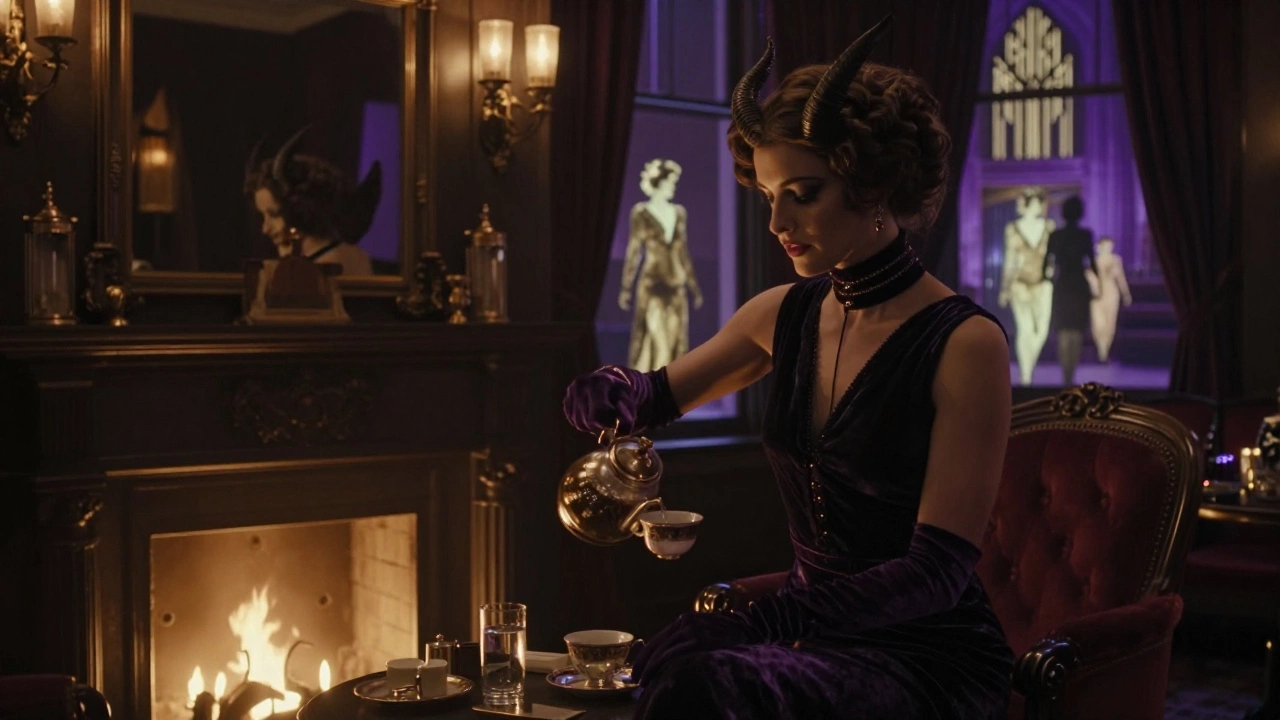
Why We Still Fear Women Like Lilith
It’s not about sex. It’s about control. When a woman says no to a system, she threatens the whole structure. Lilith said no to marriage, to motherhood as duty, to divine authority. Today, women say no to corporate ladders, to unpaid emotional labor, to being treated as decoration. The reaction is always the same: silence them. Shame them. Call them something ugly.
There’s a reason why the term ‘whore’ has been weaponized for centuries. It’s not about behavior-it’s about defiance. Lilith didn’t need a man’s approval. She didn’t need a title. She didn’t need to be loved by the system. That’s why she’s still haunting our stories. She’s the ghost in every boardroom, every protest, every woman who walks away from a bad deal.
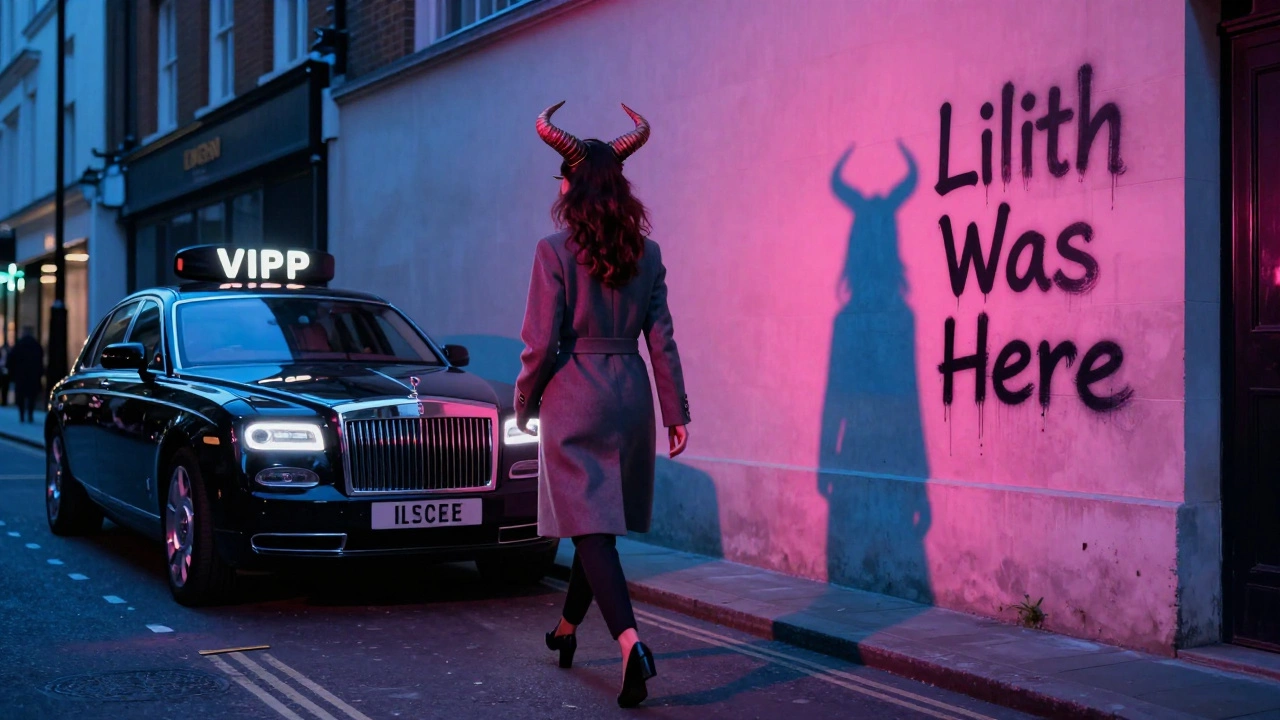
How Lilith’s Legacy Lives in Pop Culture
You’ve seen her without knowing it. In the character of Cersei Lannister, who rules through fear and cunning. In the song ‘Lilith’ by Florence Welch, where she’s a storm wrapped in velvet. In the Netflix series The Chilling Adventures of Sabrina, where Lilith is portrayed as a mother figure who rejects heaven to protect her daughters. Even in the branding of London VIP escort agencies, there’s a hidden homage: the fantasy of control, elegance, and unapologetic autonomy.
These aren’t coincidences. They’re echoes. When modern media resurrects Lilith, it’s not nostalgia. It’s rebellion. People are tired of clean, passive female characters. They want women who make their own rules-even if it costs them everything.
The Dangerous Truth About Being Remembered
Lilith didn’t ask to be a symbol. She just lived. But because she refused to be erased, she became one. And now, thousands of years later, we still argue about her. We still write about her. We still fear her. That’s power. Not the kind that comes from money or titles. The kind that outlives empires.
She didn’t have a Wikipedia page. She didn’t have a PR team. She didn’t have a VIP escort London listing. But she had something rarer: truth. And truth, no matter how buried, always finds its way back.
Written by Lucan Silvers
View all posts by: Lucan Silvers