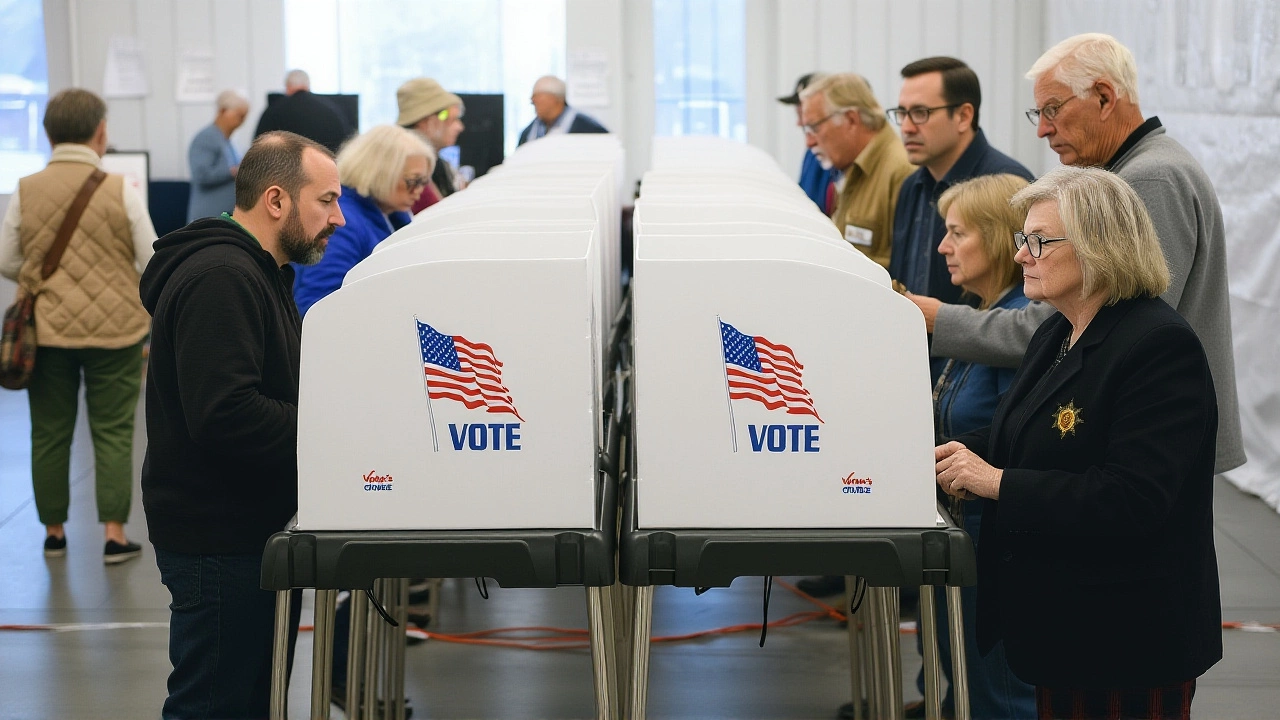
On Tuesday, November 5, 2024, millions of Americans lined up at polling stations, dropped off mail-in ballots, and cast their votes in the most consequential presidential election in a generation—Election Day 2024—and yet, for most of the country, life went on as usual. Banks opened on time. Grocery shelves were stocked. The United States Postal Service delivered mail—including tens of thousands of ballots—while the New York Stock Exchange and Nasdaq rang the opening bell. No federal holiday. No nationwide shutdown. Just democracy, happening on a Tuesday, like it has since 1845.
Why Election Day Isn’t a Holiday—And Why It Matters
Despite its national importance, Election Day remains one of the few major civic events in the U.S. that isn’t a federal holiday. While Veterans Day on November 11 shuts down federal offices and banks, Election Day doesn’t carry the same legal weight. That means Wells Fargo and Citi stayed open. The Federal Reserve processed payments. And UPS and FedEx kept delivering packages. The twist? It’s not that no one wants to change this. It’s that no one has been able to make it happen.The historical roots go back to 1845, when Congress picked Tuesday after the first Monday in November to accommodate farmers who needed to travel to county seats after harvest season and without interfering with Sunday worship. Back then, it made sense. Today, it’s a logistical headache. Over 160 million eligible voters are expected to participate, yet nearly half the country works on Election Day without guaranteed time off. "It’s the only major civic act in America that requires you to take vacation time," said Dr. Elena Ruiz, a political scientist at Georgetown University. "We expect people to vote, but we don’t make it easy."
Who’s Open, Who’s Closed, and Who’s Trying to Help
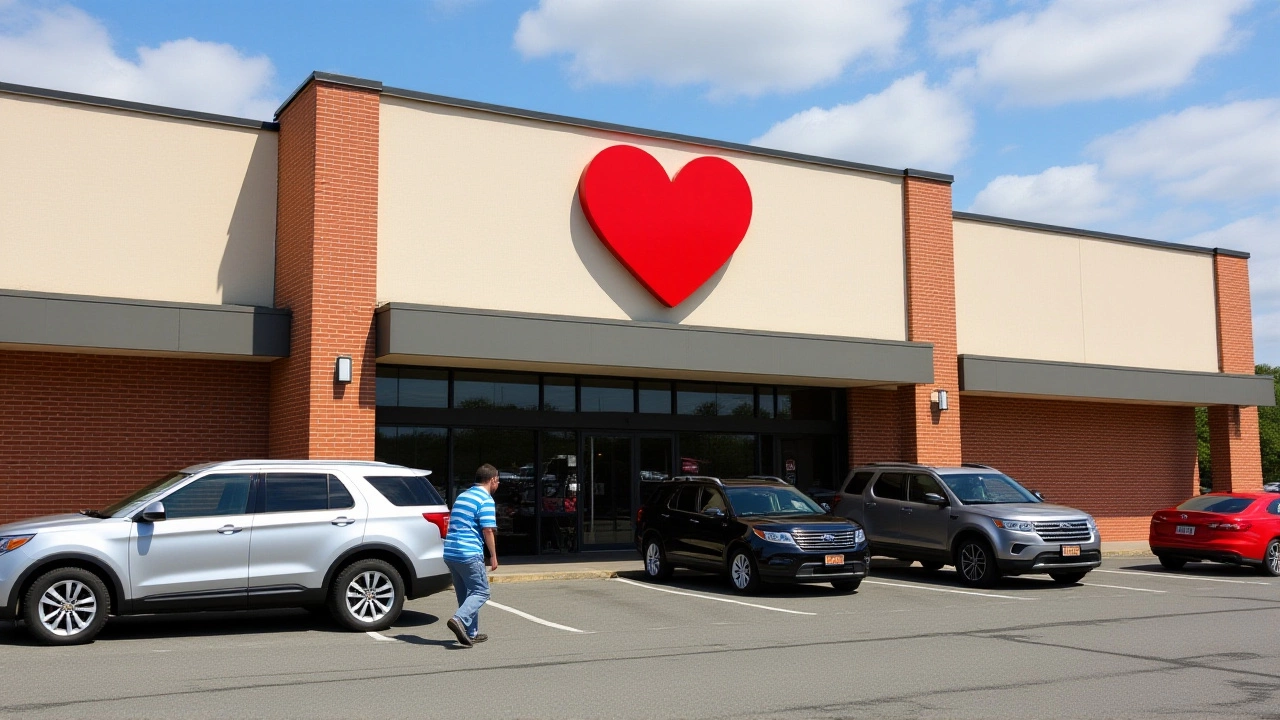
Most major retailers stayed open, but not without adjustments. Costco Wholesale Corporation, Walmart Inc., and Target Corporation all operated on regular hours. But Bath & Body Works did something unusual: it pushed its opening time to noon local time across all 1,800 stores. "To allow store associates time to vote before stores open," said a spokesperson in an email to CBS News. It wasn’t mandated. It was voluntary—and it mattered.Meanwhile, schools in districts from Ohio to Oregon closed—not because of a holiday, but because they were serving as polling places. In many rural counties, the elementary school gym doubles as the ballot center. In urban centers, libraries and community centers become voting hubs. The result? Parents had to scramble for childcare. Teachers had to work extra hours. And in places like Philadelphia and Atlanta, lines formed outside schools before dawn.
The United States Postal Service played a critical role. With an estimated 46% of voters using mail-in ballots in 2020—and projections suggesting similar turnout in 2024—the USPS was under pressure. It delivered ballots, processed them, and even offered extended drop-off hours in some cities. But it had a clear warning: mail your ballot by October 29. "We can’t guarantee delivery after that," said a USPS spokesperson. Late ballots are a real problem. In 2020, over 150,000 ballots were rejected nationwide because they arrived too late.
The Patchwork of Voting Rights Across States
Here’s where things get complicated. While Election Day isn’t a federal holiday, 14 states treat it as a public holiday—though that doesn’t mean everyone gets the day off. According to the Movement Advancement Project, five states—Hawaii, Illinois, Maryland, New York, and West Virginia—require employers to give paid time off for voting. Nine others, including Michigan and Virginia, recognize the day as a holiday but don’t mandate time off. In the other 31 states? No legal obligation at all.That creates a bizarre reality: two workers in neighboring towns might have the same job, same employer, and same schedule—but one gets paid time to vote, and the other doesn’t, simply because of their zip code. "It’s a voting equity issue," said Maria Lopez, a voting rights advocate with the National Democratic Institute. "If you work a shift job in Texas, you might not be able to vote without risking your paycheck. In New York, you can walk out at 10 a.m. and be back by 2."
What Happens Next? The Push for Change
The 2024 election has reignited calls to make Election Day a federal holiday. President Biden has publicly supported the idea. So have senators like Elizabeth Warren and Cory Booker. The 2024 Presidential Election saw record early voting and mail-in turnout, but also long lines, voter suppression lawsuits, and a surge in misinformation. Experts say the only way to ensure equal access is to give everyone the same chance to vote—without having to choose between a paycheck and their ballot.Legislation like the Election Day Holiday Act has been introduced in Congress multiple times but never passed. This year, though, the stakes are higher. With youth turnout surging and swing states like Pennsylvania and Arizona hanging in the balance, pressure is mounting. "If you can close the government for a parade or a presidential funeral, you can close it for democracy," said former Georgia Secretary of State Brian Kemp in a recent interview.
But change won’t come easily. Opponents argue it would cost businesses billions and disrupt supply chains. The Chamber of Commerce has already signaled resistance. And with Congress deeply divided, even modest reforms face steep odds.
What Voters Need to Know Right Now
If you haven’t voted yet: check your state’s deadline. Ballot drop-off dates range from October 29 to November 4. If you’re mailing your ballot, don’t wait. The United States Postal Service says it’s too late to risk it. Polls close at different times across time zones, but most shut by 9 p.m. Eastern. You can find your polling location through your state’s election website—or by texting your zip code to 868-466.Frequently Asked Questions
Why aren’t banks closed on Election Day 2024?
Election Day is not a federal holiday, so banks like Wells Fargo and Citi operate under normal business hours. Only federally recognized holidays—like Veterans Day or Christmas—require banks to close. While some states treat Election Day as a public holiday, that doesn’t override federal banking regulations.
Can my employer deny me time off to vote?
In 31 states, yes—employers aren’t legally required to give you time off. Only five states—Hawaii, Illinois, Maryland, New York, and West Virginia—mandate paid voting leave. In other states, you may get unpaid time off if your state law allows, but many workers still choose not to risk their shift.
Did the USPS deliver mail on Election Day 2024?
Yes. The United States Postal Service maintained full operations, including delivering ballots and regular mail. However, they strongly urged voters to mail ballots by October 29 to ensure delivery before Election Day. Over 46% of voters used mail ballots in 2020, making USPS operations critical to election integrity.
Why did Bath & Body Works open at noon on Election Day?
Bath & Body Works voluntarily delayed its opening to noon to give employees time to vote without losing pay or facing scheduling conflicts. It was a corporate decision, not a legal requirement, and followed similar moves by companies like Target and Walmart in past elections to support civic participation.
Will Election Day become a federal holiday after 2024?
It’s uncertain. While public support for making Election Day a holiday has grown—especially among younger voters—Congress remains gridlocked. Legislative efforts like the Election Day Holiday Act have stalled repeatedly. However, the high turnout and visibility of voting challenges in 2024 could renew momentum, particularly if swing states see record participation.
What’s different about Election Day 2024 compared to past years?
This year, corporate support for voting time off was more visible, with companies like Bath & Body Works adjusting hours proactively. Mail-in ballot deadlines were tighter due to state-level restrictions, and misinformation campaigns targeted rural voters. Additionally, for the first time, all 50 states offered online ballot tracking, giving voters real-time confirmation their ballots were received.
Written by Lucan Silvers
View all posts by: Lucan Silvers